Introduction
Clay Healing is a holistic practice that uses clay as a medium for self-discovery, emotional release, and personal growth. By engaging the senses and connecting with the hands-on process of creation, clay healing offers a powerful way to calm the mind, balance emotions, and explore one’s inner world.
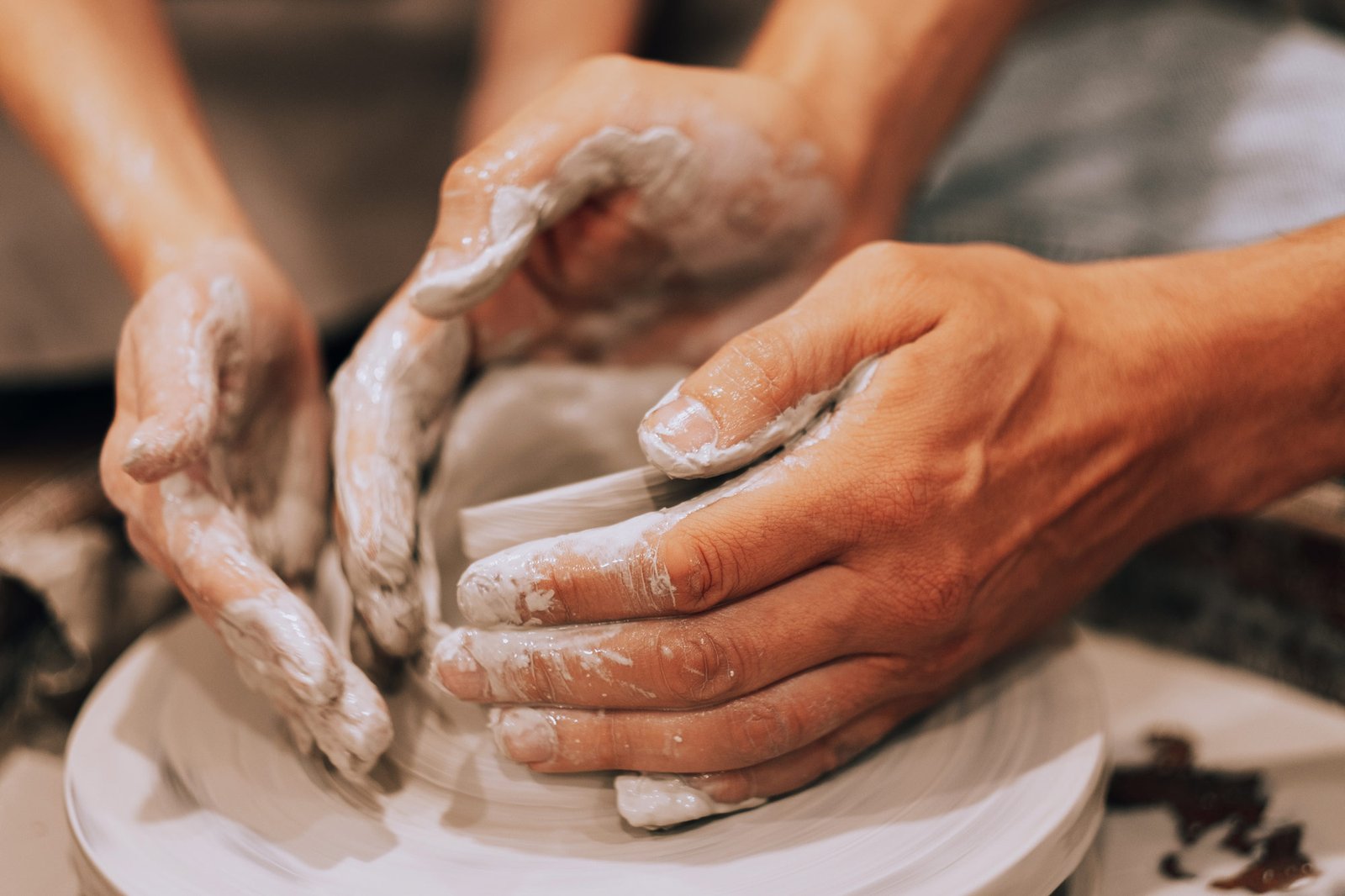
Shaping clay bridges the mind and body, creating a meditative state that helps release stress and bring clarity. Whether practiced alone or with guidance, it encourages creative freedom and self-exploration. There are many things to make out of clay—such as bowls, figures, or abstract forms—each shaped with intention. Choosing what to make with clay becomes part of the journey. For some, even making clay from soil, water, and ash deepens the connection to nature and the act of creation..
Benefits
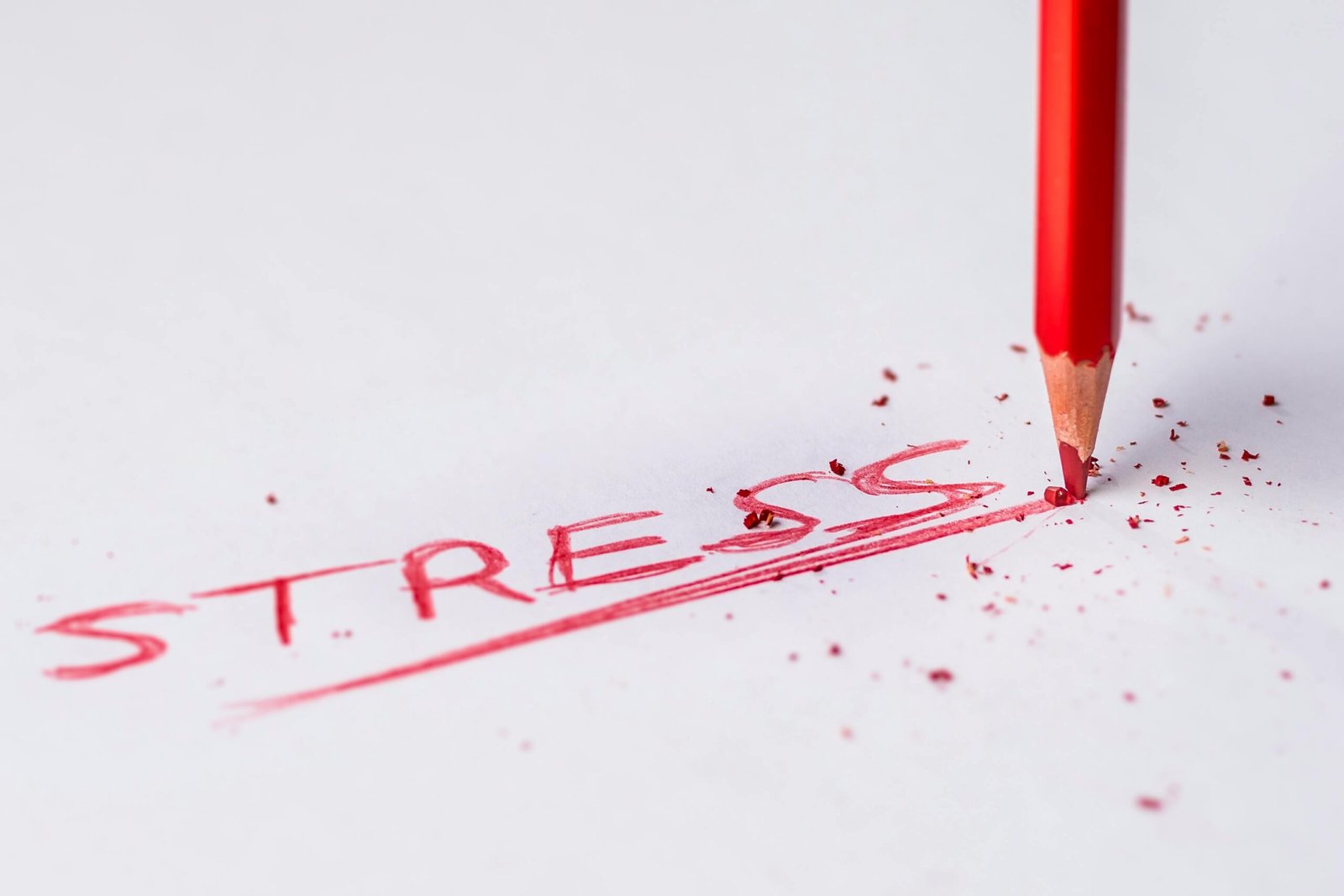
Stress Relief
Working with clay engages both hands and mind, helping tension release through the creative process. Repetitive actions like kneading or shaping offer grounding and calm. Simple things to make with clay—such as bowls or spirals—can deepen this soothing effect.Emotional Awareness
Clay offers a non-verbal way to express feelings. Choosing what to make with clay helps surface emotions and fosters self-awareness through touch and creation.Enhanced Problem-Solving
Clay work encourages experimentation and flexible thinking. Trying different forms—functional or abstract—invites playful problem-solving and mental adaptability.Strengthened Relationships
Creating with others builds trust and connection. Collaborative pieces like shared sculptures or murals are meaningful things to make with clay together.Increased Mindfulness
The tactile nature of clay keeps attention in the present. Step-by-step focus on what to make with clay heightens sensory awareness and quiets the mind.
Steps to Practice
Choose the Right Clay
Select a clay type that resonates with you—soft air-dry clay is easy to use, while natural clay offers a grounding, earthy experience.Create a Comfortable Space
Set up in a peaceful area free from distractions. Enhance the atmosphere with calming elements like candles or gentle music.Warm Up with Simple Movements
Begin by pressing, kneading, or rolling the clay to get familiar with its texture. This process helps to calm the mind and prepare for deeper engagement.Let Your Hands Guide You
Focus on the sensation of the clay in your hands and allow your intuition to lead the creative process. Let go of expectations and explore freely.Observe and Reflect
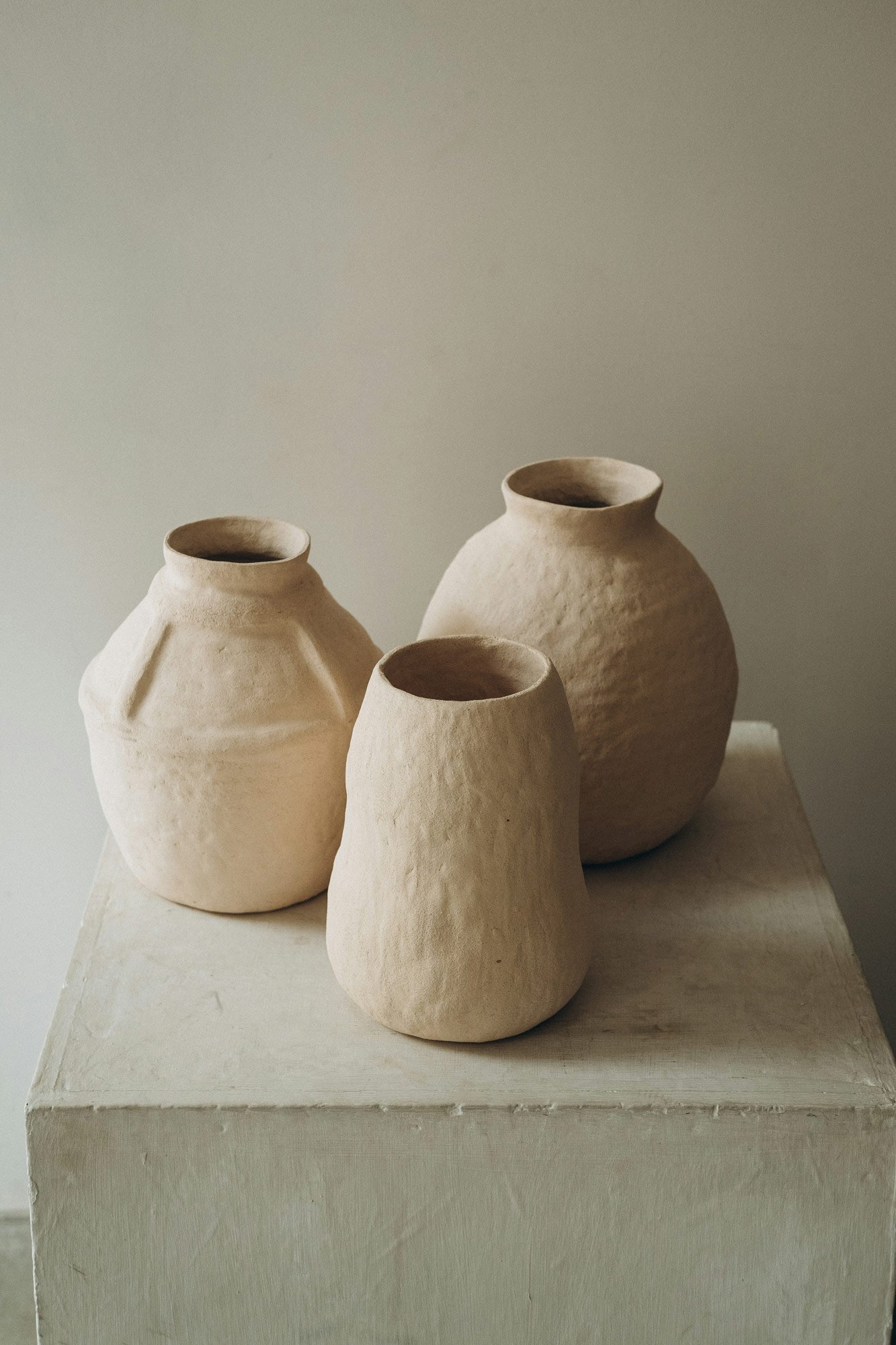
Once finished, take time to observe your creation. Consider what the shapes or textures might represent and what feelings or thoughts arose during the process.
What to Expect in a Session
Preparation and Materials
A clay healing session begins with selecting materials such as soft air-dry clay or natural clay. The environment is often calm and inviting, with soft lighting or soothing music to enhance relaxation.Setting an Intention
Participants are encouraged to reflect on their personal goals for the session—whether it’s finding calm, releasing stress, or exploring creativity.Engaging with Clay
During the session, participants are guided to interact with the clay in a freeform manner. Activities might include rolling, pinching, sculpting, or simply feeling the clay’s texture. Prompts like “create a shape that reflects your current state” can help deepen the experience.Reflection and Sharing
At the end of the session, there’s often time for reflection. Observing the shapes and forms created can provide insights into thoughts or emotions, helping participants better understand their inner landscape.Post-Session Integration
Journaling or quiet contemplation after a session can reinforce the benefits of clay healing, solidifying personal growth and self-discovery.
How This Approach Heals
Calmness
The tactile experience of working with clay encourages relaxation and a sense of peace. The rhythmic motions of shaping clay activate the body’s natural calming mechanisms, helping to ease anxiety and create a meditative state.Strengthening Relationships
Clay healing fosters deeper connections when practiced with others. Collaborating on projects or sharing creations enhances empathy, trust, and communication. This can strengthen relationships with family, friends, or partners, creating shared moments of joy and understanding.Self-Knowledge
The hands-on engagement with clay provides a direct channel to your subconscious. The forms and textures you create can reveal insights about your emotions, thoughts, and inner patterns. Over time, clay healing helps cultivate self-awareness and a clearer sense of identity.Stress Relief
Physical interaction with clay acts as an outlet for built-up tension. The pressure of molding or smashing clay releases stress, while the creative process offers a safe space to process emotions. This dual benefit leaves participants feeling lighter and more at ease.Work Productivity
Clay healing enhances mental clarity and creative thinking, which can translate into better performance at work. The freedom to explore and experiment with clay encourages flexibility and problem-solving skills, empowering participants to approach tasks with renewed energy and focus.
Long-Term Benefits
Emotional Resilience
With consistent practice, clay healing strengthens your ability to process and regulate emotions, leading to greater emotional balance.Improved Communication
Insights gained during clay healing can improve your ability to express emotions and connect with others on a deeper level.Lasting Calmness
The sense of relaxation cultivated during clay healing sessions often extends into daily life, reducing overall stress levels over time.Creative Confidence
The freedom to explore shapes and textures nurtures creativity and builds confidence in your ability to express yourself through new approaches.
RELATED POSTS

The Power of Focus: Unlocking Efficient Learning and Inner Peace
The Power of Focus: Unlocking Efficient Learning and Inner Peace