
Introduction
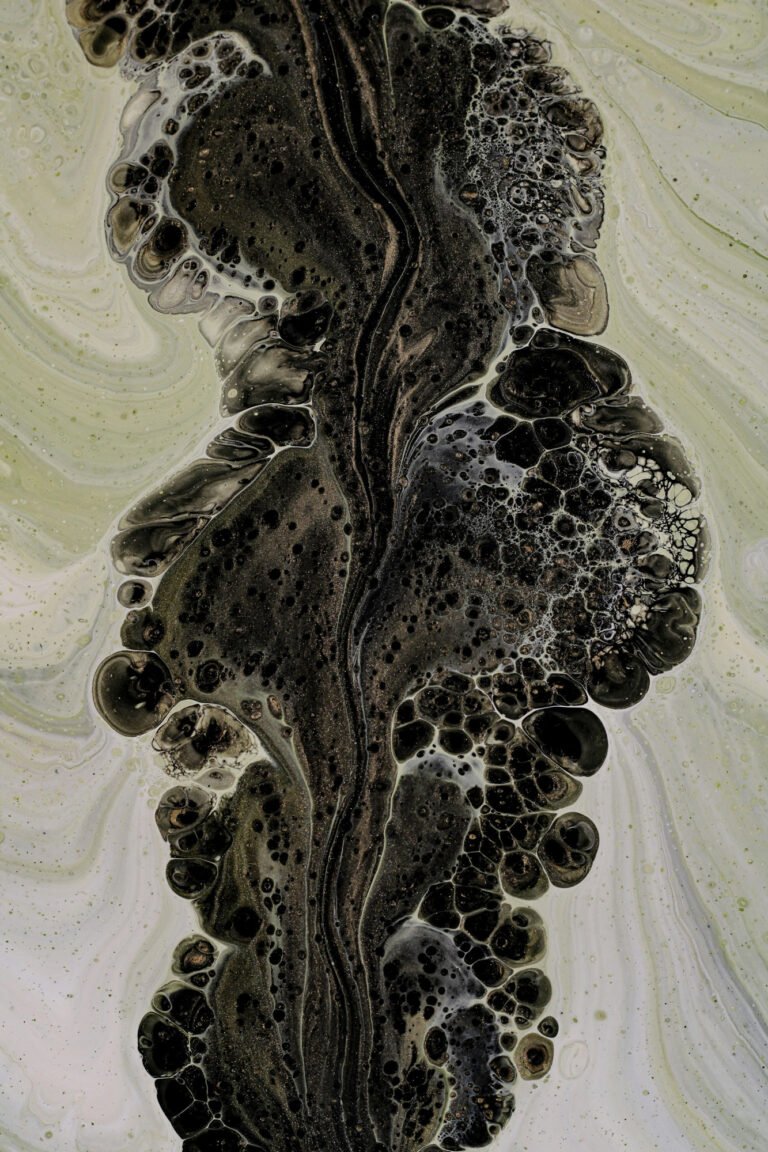
Fluid Art, also known as Pour Painting, is an abstract art technique that involves pouring liquid paint onto a surface to create vibrant, flowing designs. Unlike traditional painting, which relies on brushes or precise techniques, fluid art emphasizes spontaneity and the natural movement of paint.
The process of mixing and pouring paints fosters creativity and relaxation, allowing participants to explore colors, patterns, and textures without rigid rules or expectations. Fluid art is accessible to people of all skill levels and provides a powerful outlet for emotional expression, self-discovery, and stress relief
Benefits
Encourages Creativity and Playfulness
Fluid art allows participants to experiment freely with colors and patterns, sparking imagination and cultivating a sense of joy.Reduces Anxiety and Promotes Relaxation
The flowing nature of the paints and the unpredictability of the outcomes encourage mindfulness, helping to calm the mind and reduce stress.Accessible for Everyone
With no need for technical skills or prior experience, fluid art invites everyone to engage with their creativity, making it an inclusive and rewarding activity.
Steps to Practice
Gather Materials
- Acrylic paints (in various colors)
- Pouring medium (to dilute the paint and improve flow)
- Canvas or suitable surface (e.g., wooden board)
- Disposable cups, stir sticks, and gloves
Prepare Your Workspace
Cover your work area with a protective sheet to prevent mess, and set up a flat, level surface for your canvas.Mix Paints
Combine acrylic paints with a pouring medium in separate cups. Adjust the consistency until the paint flows smoothly but is not too runny.Layer the Paints
In a clean cup, layer the prepared paints in your chosen order, creating a “dirty pour.” Alternatively, mix colors directly on the canvas for a more spontaneous effect.Pour and Tilt
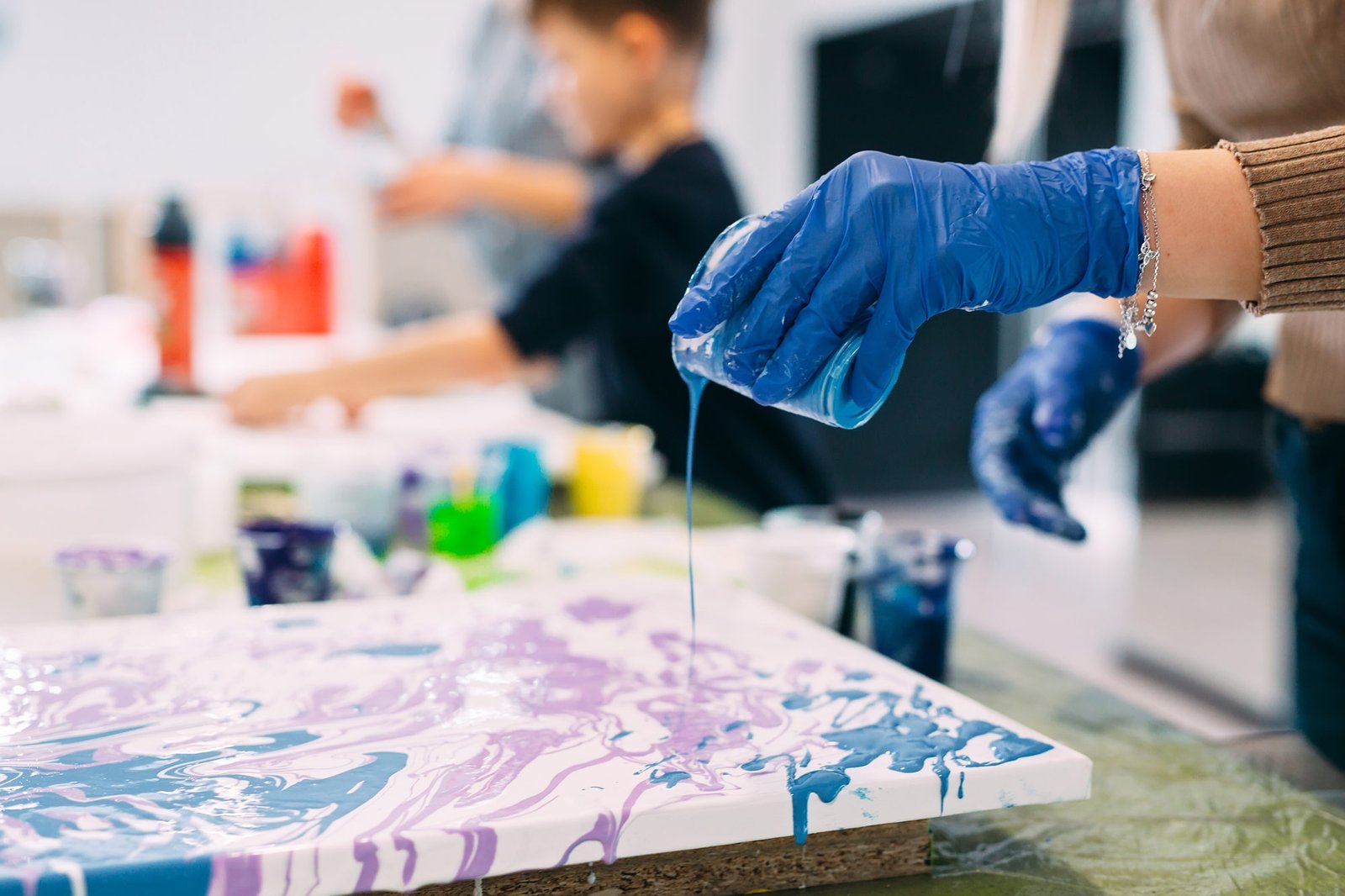
Pour the paint onto the canvas and tilt it gently to guide the flow. Watch as patterns and cells form organically.Let it Dry
Leave the artwork to dry on a flat surface, ensuring it cures without smudging.
What to Expect in a Session
Introduction and Setup
Participants begin by familiarizing themselves with the materials and setting up their workspace. A brief explanation of techniques, such as dirty pours or puddle pours, may be provided.Exploration and Creation
Once the paints are prepared, participants pour, tilt, and manipulate the canvas to create their designs. The process is fluid and intuitive, focusing on exploration rather than perfection.Relaxation and Immersion
As the paints flow, participants often enter a meditative state, fully absorbed in the colors and patterns. The unpredictability of the process adds excitement and encourages letting go of control.Reflection
After completing their piece, participants take time to observe their artwork, discussing the emotions and thoughts that arose during the session.Drying and Final Touches
Once the session concludes, participants leave their canvases to dry and may return later to apply protective finishes or additional embellishments.
How This Approach Heals
Calmness
The flowing nature of fluid art promotes relaxation by encouraging mindfulness. Watching the paints move and interact naturally soothes the mind, reducing anxiety and fostering a sense of tranquility.Self-Knowledge
The choice of colors, patterns, and techniques often reflects subconscious emotions and thoughts. By observing their creations, participants can gain insights into their inner selves, enhancing self-awareness.Stress Relief
The freedom and spontaneity of fluid art offer a constructive outlet for releasing tension. The focus on creating rather than achieving perfection helps alleviate stress and provides a mental reset.Work Productivity
Fluid art stimulates creative problem-solving and adaptability. The process of experimenting with colors and techniques fosters innovative thinking, which can translate into increased focus and creativity in professional settings.
Long-Term Benefits
Sustained Relaxation
Regular practice helps cultivate mindfulness and reduce baseline stress levels, contributing to long-term emotional well-being.Enhanced Self-Discovery
Over time, fluid art encourages participants to explore and express deeper aspects of their personality, promoting personal growth and self-confidence.Creative Empowerment
Experimenting with colors and patterns builds confidence in one’s creative abilities, inspiring innovation in other areas of life.Improved Focus and Adaptability
The practice of fluid art trains the mind to embrace uncertainty and find beauty in spontaneity, skills that are valuable in both personal and professional contexts.