Introduction
Abstract Expressionism, a transformative art movement that emerged in the United States during the 1940s and 1950s, is renowned for its focus on spontaneous, emotion-driven artistic expression. Instead of adhering to traditional techniques, artists in this movement embraced abstract forms and dynamic, bold colors as a way to convey deep emotional and psychological states.
Among the techniques born from this era, Automatic Drawing stands out as a practice where the artist relinquishes conscious control over the creative process. By allowing their hand to move freely, guided by intuition and subconscious impulses, practitioners can explore inner thoughts and feelings that are often inaccessible through more deliberate methods.
Benefits
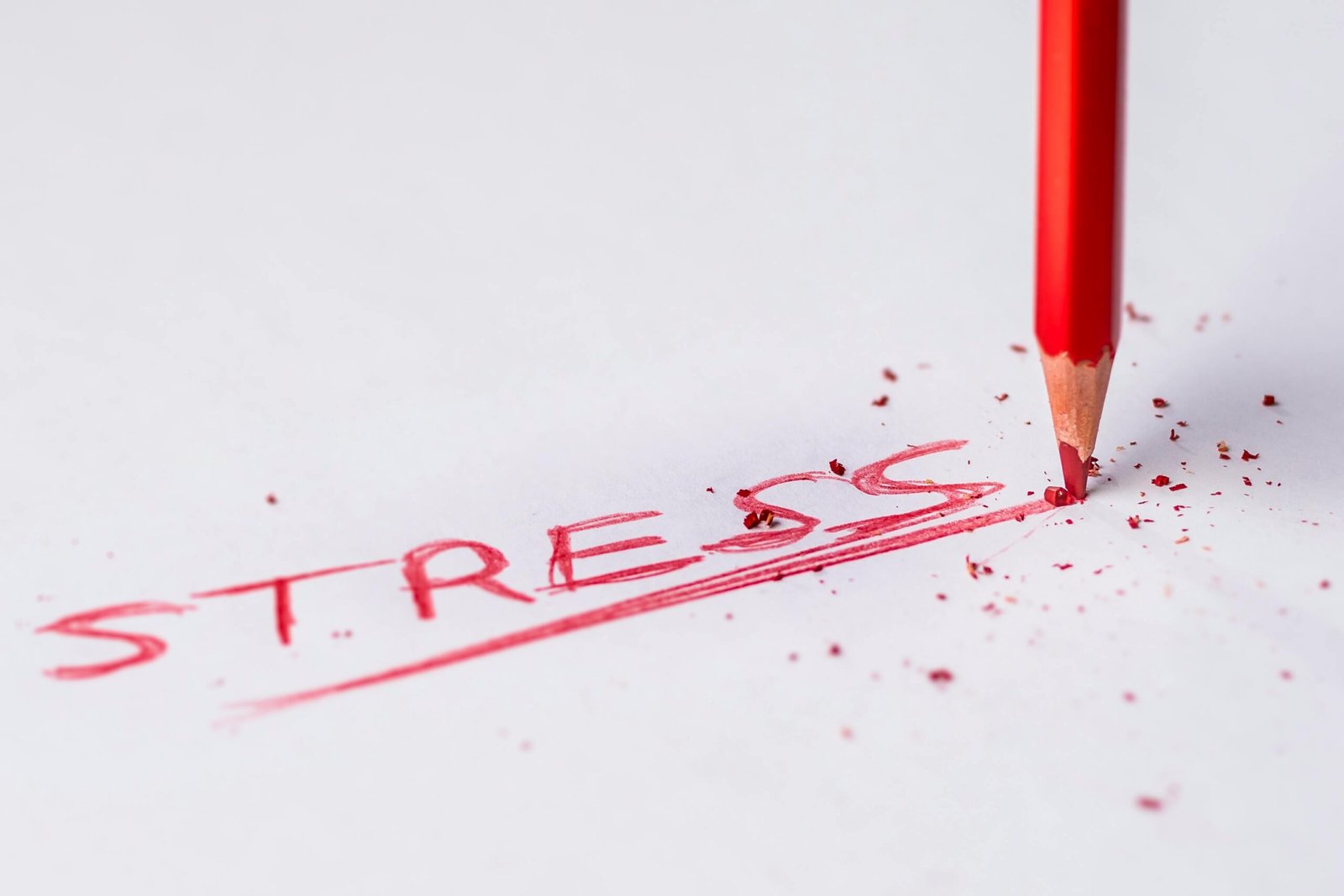
Stress Management
Automatic drawing offers a meditative practice that helps calm the mind and body. The unstructured, free-flowing nature of the process engages the brain in a non-verbal, creative activity, which can lower cortisol levels and ease the physical symptoms of stress. This form of self-expression provides an outlet for pent-up emotions, promoting mental clarity and relaxation.Self-Exploration
By bypassing rational thought, automatic drawing reveals hidden aspects of the subconscious. Patterns, shapes, or symbols that emerge can provide insights into unresolved emotions, personal desires, or even recurring thought patterns. This deep level of introspection supports self-awareness and can aid in personal growth.Creativity Enhancement
Engaging in a process without predefined rules or expectations liberates the mind, breaking down mental barriers that hinder creativity. Automatic drawing encourages experimentation and playfulness, often leading to unique and innovative ideas that can be applied across various creative pursuits.
Steps to Practice
Create a Calm Environment
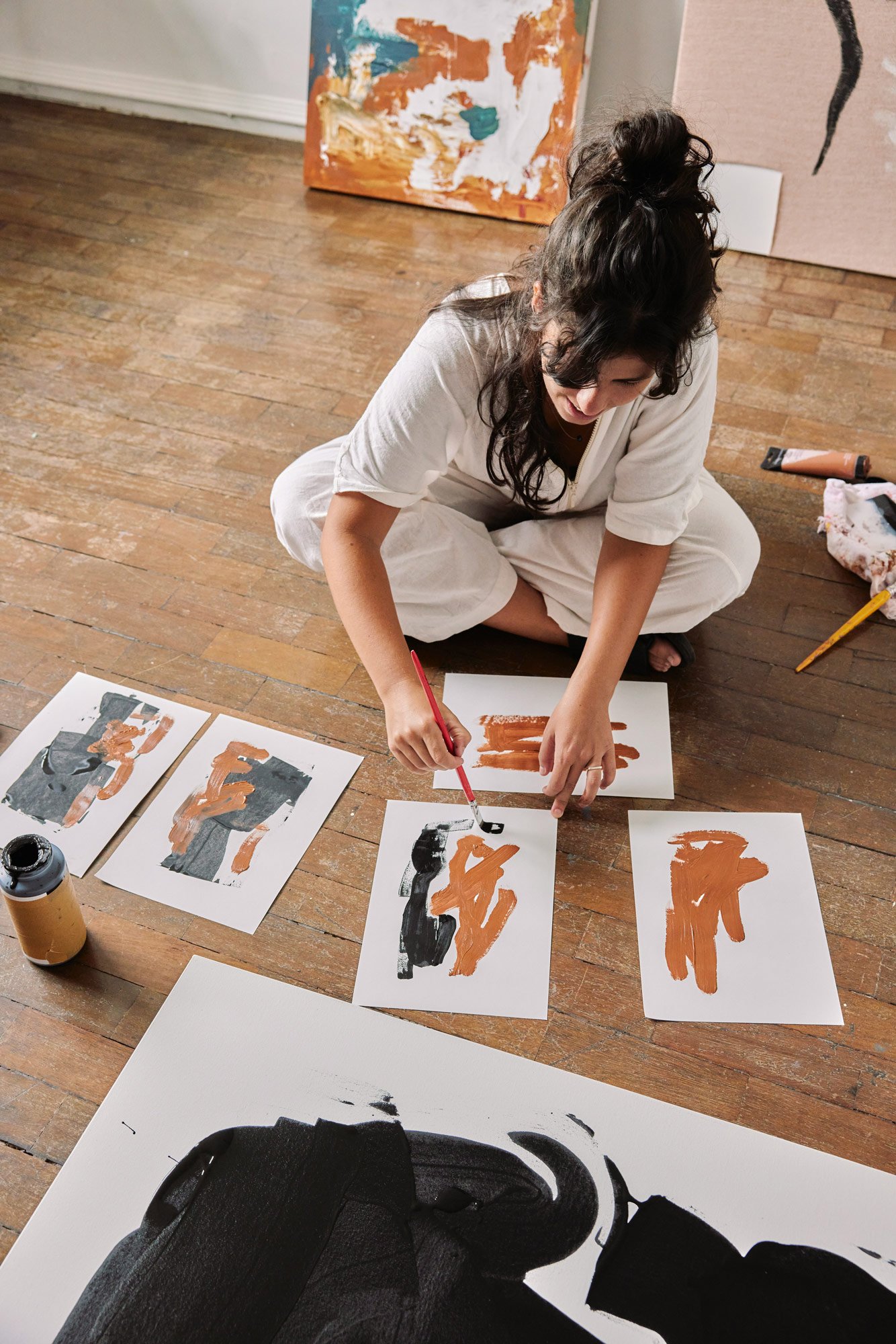
Find a quiet, comfortable space where interruptions are minimized. Prepare a sheet of paper and a pen, pencil, or marker—something that feels intuitive to use. Dim lighting or soothing background music can further enhance relaxation.Relax Your Mind
Begin by taking slow, deep breaths to center yourself. You might find it helpful to close your eyes for a moment or practice mindfulness meditation to quiet racing thoughts.Let Your Hand Move Freely
Hold your drawing tool lightly and allow your hand to move without hesitation. Whether the lines are chaotic, looping, or erratic doesn’t matter—what’s important is to avoid controlling the outcome.Avoid Overthinking
Let go of any critical thoughts about what the drawing should look like. The value lies in the act of creating rather than the final product. If you feel blocked, try closing your eyes briefly and resuming when ready.Reflect on Your Creation
Once the session is complete, take a moment to observe your drawing. Look for recurring shapes, lines, or areas of interest. Ask yourself what these elements might represent or how they make you feel. Journaling about your impressions can deepen your understanding.
What to Expect in a Session
- A Safe Space for Emotional Release: Automatic drawing sessions provide a non-judgmental environment where you can express emotions freely.
- Unexpected Discoveries: Often, you might be surprised by the patterns or images that emerge, as they reflect subconscious thoughts and feelings.
- A Focus on Process Over Outcome: Unlike traditional art forms, automatic drawing values the act of creation over the final piece. Expect imperfections and embrace them as part of your journey.
- Moments of Clarity: As you reflect on your work, you may uncover insights about your current emotional or mental state.
How This Approach Heals
Self-Knowledge
Regular practice fosters a deeper understanding of yourself. By observing your drawings over time, you can identify recurring themes or shifts in perspective, allowing you to track emotional growth or patterns.Calmness and Emotional Regulation
The repetitive motion of drawing and the focus it demands help anchor you in the present moment. This mindfulness-like state can soothe the nervous system, reducing anxiety and promoting a sense of peace.Stress Reduction
The act of drawing offers a constructive way to process overwhelming emotions. Instead of internalizing stress, you externalize it onto the paper, giving yourself space to breathe and regroup.Boosting Work Productivity
Creative practices like automatic drawing stimulate divergent thinking, which can lead to improved problem-solving skills. By training your mind to think beyond linear logic, you become more adaptable and innovative in your professional life.
Long-Term Benefits
- Enhanced Emotional Intelligence: Over time, automatic drawing helps you become more attuned to your inner world, enabling better emotional regulation and communication.
- Sustained Mindfulness Practice: Integrating this technique into your routine strengthens your ability to stay present, reducing the impact of daily stressors.
- Personal Growth: As you explore your subconscious, you gain a richer understanding of your desires, fears, and motivations, paving the way for deeper self-acceptance and growth.
- Creative Freedom: By regularly engaging in this unstructured practice, you build confidence in your creative instincts, which can positively impact other areas of your life.
Related Posts

The Power of Focus: Unlocking Efficient Learning and Inner Peace
The Power of Focus: Unlocking Efficient Learning and Inner Peace