
Introduction
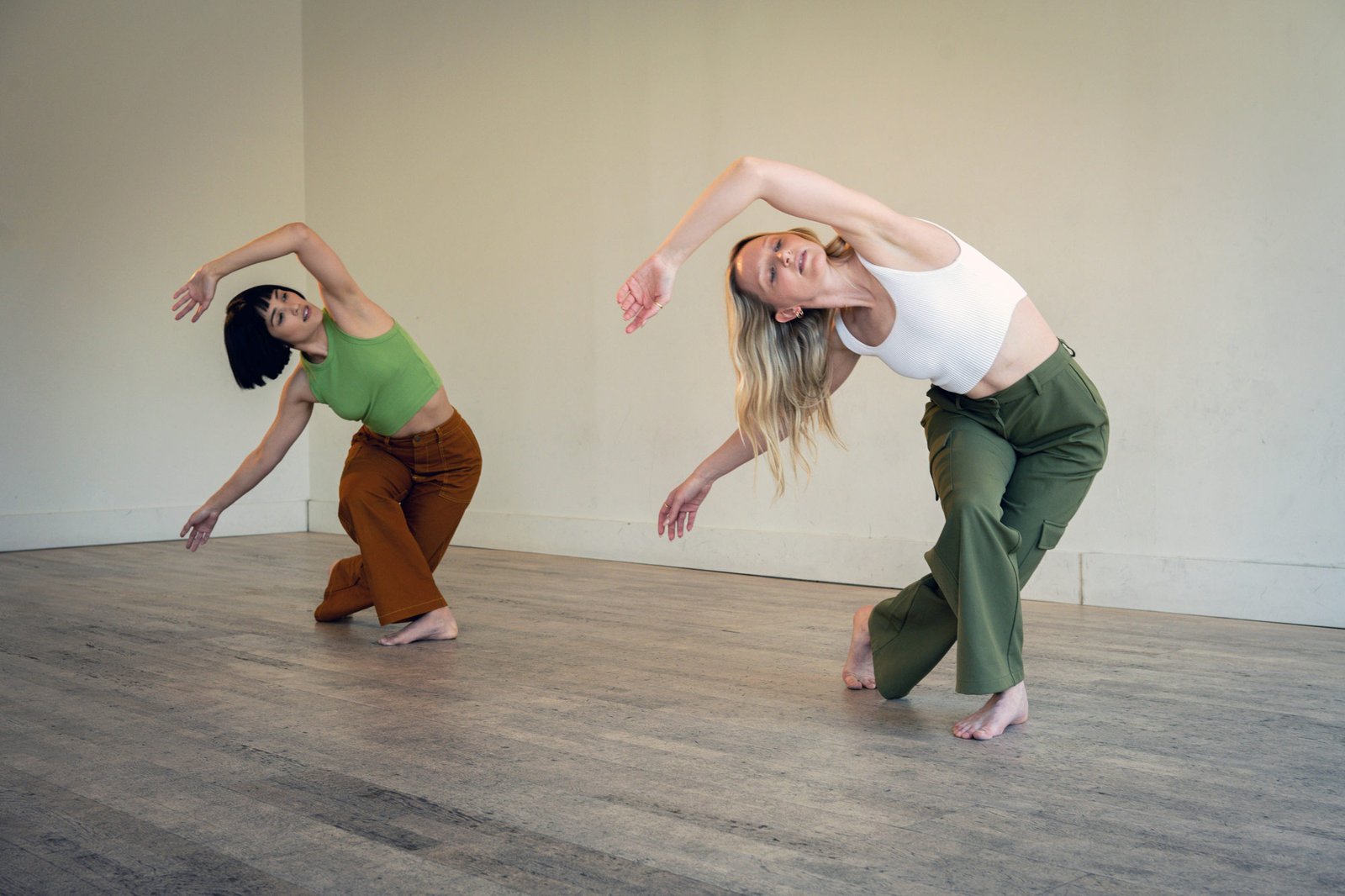
Music and Movement is a dynamic and expressive practice that combines rhythmic sounds with physical motion to promote emotional release, social connection, and stress relief. This method harnesses the power of music’s rhythm and melody, paired with intentional or freeform movements, to create a holistic and interactive experience. It’s an ideal approach for those seeking adult dance classes near me that go beyond technique—focusing instead on creativity, wellness, and connection.
Whether practiced individually or in groups, music and movement encourage participants to explore their emotions, connect with others, and enjoy a playful yet meaningful form of self-expression. The practice is accessible to people of all abilities, making it an inclusive way to improve relationships, enhance sociability, and alleviate stress.
You can experience music and movement sessions in various parts of the city. These locations offer diverse programming that brings communities together through rhythm, movement, and creative energy.
Benefits
Strengthens Emotional Bonds
Shared musical and physical activities foster trust and emotional connection. Moving together to a rhythm or song creates a sense of harmony and strengthens interpersonal relationships.Builds Social Confidence
Participating in group music and movement sessions helps participants engage with others in a non-verbal, playful way, making social interactions more approachable and enjoyable.Encourages Emotional Release
The physical act of moving to music provides a safe outlet for built-up tension and emotions. This combination of sound and motion helps participants process feelings constructively.
Steps to Practice
Choose Your Music
Select music that resonates with the intended purpose of the session. For example, choose calming rhythms for stress relief or upbeat tracks to boost energy and sociability.Set a Comfortable Space
Clear a space where participants can move freely. If in a group, arrange the area to encourage interaction and visibility between participants.Warm Up with Simple Movements
Start with gentle stretches or small motions to connect with the rhythm and ease into the session.Engage in Freeform or Guided Movement
- Freeform: Allow participants to move intuitively to the music, expressing their emotions through motion.
- Guided: Use prompts like “move like water” or “mirror a partner’s motion” to create structure and encourage connection.
Cool Down and Reflect
End with slower music and calming motions, such as deep breathing or stretching. Reflect on how the session felt, either individually or as a group.
What to Expect in a Session
Introduction and Intention Setting
Sessions often begin with participants reflecting on what they hope to gain—whether it’s reducing stress, connecting with others, or simply enjoying the experience. This approach makes these sessions more than just typical dance classes—they become intentional, mindful experiences.
Warm-Up Movements
Facilitators guide participants through light, accessible movements to sync with the music and reconnect with their bodies. This gentle start helps everyone ease into the flow, regardless of their dance background.Interactive Activities
- Partner or Group Movement: Participants may engage in exercises such as mirroring a partner’s movements, passing a rhythm around the group, or moving together to a shared beat. These moments build trust, presence, and playful connection.
- Improvisation: Participants are invited to explore freeform movement, allowing the music to guide their expressions. This open approach encourages creativity and self-awareness—key components of expressive dance classes rooted in wellness.
Reflection and Sharing
At the end of the session, participants are invited to reflect on their experience. This may include sharing emotions, body sensations, or moments of connection that emerged during the movement.Closing and Relaxation
Sessions conclude with calming music and stillness to help participants integrate the benefits and leave feeling grounded.
How This Approach Heals
- Relationship Building
Music and movement create a non-verbal space for connection. Activities like mirroring or synchronized motions foster trust, empathy, and shared understanding, strengthening interpersonal bonds.
- Sociability
Group sessions encourage interaction through collective rhythm and shared energy. Participants often feel more confident and comfortable engaging with others, improving social dynamics and reducing feelings of isolation.
- Stress Relief
The combination of music and motion activates the body’s relaxation response, releasing endorphins and reducing cortisol levels. The rhythmic flow of movement provides a therapeutic outlet for tension and promotes emotional balance.
Long-Term Benefits
Cultivates a Lifelong Connection to Rhythm and Body Awareness
Regular engagement with music and movement strengthens participants’ awareness of how their bodies respond to rhythm and sound. Over time, this practice fosters a deeper appreciation of physical expression and its role in emotional well-being.Promotes Holistic Wellness
Combining auditory and physical stimulation creates a synergistic effect that supports mental, emotional, and physical health. This holistic approach contributes to a sustainable sense of balance in daily life.Builds Emotional Memory Anchors
The emotional connections formed during music and movement sessions often become positive memory anchors. Revisiting similar rhythms or motions later can evoke these feelings, providing a source of comfort and motivation.Strengthens Community Bonds
Long-term participation in group activities creates a sense of belonging and community. These bonds often extend beyond the sessions, providing a support network that enhances social and emotional resilience.Encourages Lifelong Playfulness and Joy
Music and movement help participants reconnect with their innate sense of play and joy. This openness to playful expression often carries over into other areas of life, improving creativity, spontaneity, and overall satisfaction.

RELATED POSTS
Dance-Movement Healing
Introduction Dance movement healing is a holistic practice that uses expressive movement and rhythm to promote emotional well-being, self-awareness, and
Body Mapping
Introduction Body Mapping is a reflective and creative practice that combines art and self-awareness to explore the connection between the